Has anyone had any luck healing diabetes foot?

Status
Not open for further replies.

AlexSilver

GLP-1 Enthusiast
Member Since
Jan 21, 2026
Posts
237
Likes Received
423
Location
Denver, Colorado
I hope someone can help. I'm using KPV, which does a stunning job keeping the swelling down. My diet has totally changed (for a whole year) but it suddenly came back anyway, so it must be the neurological damage. Do you think ARA would help? Any other peptides that might work?
 
I hope you have had this issue looked at medically. While there are some reasonably harmless causes of feet and ankle swelling, there are also several quite serious ones and those serious ones are more likely if you have diabetes. In combination with diabetes, swelling makes you more prone to infections which then heal poorly or not at all. Without knowing much more about your history I cannot guess at what is going on but it is absolutely something that must be looked at medically. The combination of neuropathy, poor circulation due to long term diabetes, and in this case swelling leads to ulcers that then get infected and will not heal. Foot issues in diabetes are a major and serious problem that often cause long hospital stays, surgery and loss of limbs. This is see a Dr stuff not peptide stuff.

ARA 290 or cibinetide has had some promising human trials for neuropathy, but was abandoned as a drug development candidate a while ago. I have not read lots on it, but there will be a reason why they stopped, so it would be a very good idea to read all the papers written on it before considering using it .
 
lessthanhalf said:
I hope you have had this issue looked at medically. While there are some reasonably harmless causes of feet and ankle swelling, there are also several quite serious ones and those serious ones are more likely if you have diabetes. In combination with diabetes, swelling makes you more prone to infections which then heal poorly or not at all. Without knowing much more about your history I cannot guess at what is going on but it is absolutely something that must be looked at medically. The combination of neuropathy, poor circulation due to long term diabetes, and in this case swelling leads to ulcers that then get infected and will not heal. Foot issues in diabetes are a major and serious problem that often cause long hospital stays, surgery and loss of limbs. This is see a Dr stuff not peptide stuff.

ARA 290 or cibinetide has had some promising human trials for neuropathy, but was abandoned as a drug development candidate a while ago. I have not read lots on it, but there will be a reason why they stopped, so it would be a very good idea to read all the papers written on it before considering using it .

The foot yes, had the problem since I was 30, originally mis-diagnosed as gout. Never just trust your doctor, get several opinions. Study test results and look at X-rays. Diabetes, yes, but in non-clinical setting (had no money when it hit), so no blood test but this doctor said I had diabetic neuropathy and guaranteed me my blood sugar was off the chart.

I obtained his recommended glucose meter and my blood sugar was OK-ish over numerous checks, until I started checking it when I was waking up and it was way too high. He had advised 900 mgs of R-alpha lipoic acid daily and lots of water, never forget lots of water, for the hand and foot neuropathy. He recommended a new diet, which I did for a little while, then went keto. Unexpectedly lost 30 pounds. Adjusted my diet slightly.

Not quite 2 years later, The neuropathy issues with my right hand have almost cleared up, and the foot thing had almost totally gone. Morning blood sugar still above 100 but 113 is the highest number I've had.

Foot swelling suddenly returned out of the blue just before I convinced myself to start Reta for liver and of course, belly fat. Which led to the discovery of other peptides and etc. Going to find a place to give me blood test. Well, actually found one already but resisting for some reason.

I tried AOD 10mg and that kept it around 101 but slowly climbed back up to 108 after 7.5mgs were done. That was 500mcg a day for 15 days. Couldn't continue injecting the full amount because .6% acetic acid burns pretty good. I knew it would but was worried about damaging the peptide with ph balancing. Kept doing it at first because it was working. Needs more research.

I have actually studied ARA-290 and there were many promising results with almost no side effects. Then they did a few more tests and the results were null. So, they abandoned it. Ok, but if you look at all these tests, the first ones were done sub-q and IM, then all the tests that failed at the end were oral. So, it could work just stunningly well, as long as injected....

 
I am very grateful to be living in a country where basic medical care is available to people who do not have much money, it is far from perfect but much better than basic preventive care in the US.

I am confused about what is going on now, if you have done lots of blood glucose measurements and all are under 113, then that is not high enough to be diabetes. I am not as familiar with the us measurement units, but 113 mg/dl is about 6.2 mmol/l, which is high for a fasting glucose but not for a random one. The test needed is a hb1ac or a glucose tolerance test, to see if you do or do not have diabetes or impaired glucose tolerance. Finding this out for certain is essential. Without knowing the original glucose levels the doctor saw when he made the original diagnosis there is no way to tell. If all the glucose readings are while taking retatrutide then that could be why none are high.

The foot swelling? - I was assuming it was both feet, if both feet and ankles are swollen then you need medical attention. Especially if it goes away after lying down overnight . Basic medical history and physical examination and blood tests, urine test for protein and possibly ECG. The causes to be concerned about are heart failure and kidney failure, but there can be much less serious causes.

If one foot is swollen then it is a localised cause, still a good reason to seek medical care, if its cause is unknown, but at least likely not life threatening. But is more dangerous if you have diabetes as the swelling increases infection risk.

Generally diabetic neuropathy does not get better, but it is not impossible. So you have or have had a neuropathy without a definite medical diagnosis? This is also concerning. Diabetic neuropathy affects both sides equally and usually feet before hands, you can diagnose it clinically but usually at least nerve conduction studies and blood tests are done, the fact that it improved makes me think it might not be diabetic or obesity related neuropathy. ALA does have pretty good evidence for reducing symptoms from painful neuropathy. You most likely need at least b12 and folate levels measured and hopefully have not been taking high dose b6 as that can also cause it.

Retatrutide is almost certainly a good treatment for diabetes, if you have it, but no doctor is going to recommend it before it is officially approved. Self treating diabetes and its complications with zero medical input does not sound very safe.
 
lessthanhalf said:
I am very grateful to be living in a country where basic medical care is available to people who do not have much money, it is far from perfect but much better than basic preventive care in the US.

........

Retatrutide is almost certainly a good treatment for diabetes, if you have it, but no doctor is going to recommend it before it is officially approved. Self treating diabetes and its complications with zero medical input does not sound very safe.

I appreciate all the great advice but.... Forgive me, I was stoned and rambling, describing how I freaked out about my blood sugar again when the swelling foot returned.

This doctor said to me "That's diabetes foot. Even if you're controlling your blood sugar, you will have it for the rest of your life. It doesn't go away permanently. That's just how nerve damage is"

Now I seek alternatives.
 
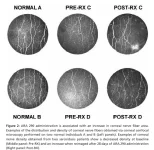
From what I just read this morning, ARA seems far more promising than most non-GLP peptides on a Chinese pricelist. Human research with pictures!

https://scholarlypublications.universiteitleiden.nl/access/item%3A2898726/view

attachments-screenshot-2026-01-28-072649-webp.14956.webp

Google Gemini said:
Human ARA 290 Trials Ranked by Rigor

Rigor Rank Study Focus Dosage & Duration Sample Size Ceiling Effect? Publication / Link 1 (Highest) Sarcoidosis (SFN) 1, 4, or 8mg daily (SC) for 28 days 64 Yes. 8mg provided no benefit over 4mg. PMC3883966 (2013) 2 Type 2 Diabetes 4mg daily (SC) for 28 days 48 Inferred. Peak benefits at 4mg. PubMed 25387363 (2015) 3 Healthy Volunteers 1mg–8mg (IV/SC) for 7 days ~40 N/A. Safety study only. Chapter 4 Ph.D. Thesis (2025) 4 Sarcoidosis (SFN) 4mg daily (SC) for 28 days 22 Not Tested. Only one dose level. PubMed 23168581 (2012) 5 Diabetic Macular Edema 4mg daily (SC) for 12 weeks 34 Yes. Duration did not bypass ceiling. MDPI J. Clin. Med (2020) 6 (Lowest) Emotional Processing Single 4mg dose (SC) 36 N/A. Single dose only. PubMed 26431906 (2015)

Here is the content converted into BBCode, formatted for use on forums and message boards.

Google Gemini said:
It didn't fail the patients (it worked for many); it failed the business model. It was too expensive to prove, for a company too small to pay, for a delivery method (injections) that the market finds "annoying."

Key Insight: The "Residual" Benefit

The most striking finding in the Type 2 Diabetes trial was that pain relief and blood sugar (HbA1c) continued to improve for a full month after the last injection.

At Day 28 (last dose): Pain had dropped significantly.

At Day 56 (one month later): Pain scores had dropped even further.

This supports the "Master Switch" theory: ARA 290 doesn't just mask pain; it triggers a biological repair cascade that continues to run even after the peptide has left your system.

The drop in HbA1c was seen as a "side effect" of the drug reducing systemic inflammation and oxidative stress.

The fact that the A1c and Triglycerides improved more than the HDL suggests that ARA 290 is primarily an anti-inflammatory agent. Inflammation directly drives high blood sugar and triglycerides; HDL is a more complex marker that usually takes longer to shift significantly.

Physical Stamina (The 6-Minute Walk Test)

In the Sarcoidosis Phase 2b trial, there was a strong correlation (ρ = 0.645) between nerve regrowth and the 6-Minute Walk Test (6MWT) results. This means that as the small fibers in the cornea and skin regrew, patients physically gained the ability to walk further with less fatigue. This is a crucial "hard" metric that proves the drug's effects aren't just in the patient's head.

Google Gemini said:
Small Fiber Neuropathy & ARA-290 Results

View: https://www.youtube.com/watch?v=xggIEy1ZfM8&t

This video features a medical expert discussing the specific results of ARA 290 trials in sarcoidosis patients, including the correlation between nerve regrowth and improved physical function.
 

Attachments

  • attachments-screenshot-2026-01-28-072649-webp.14956.webp
    attachments-screenshot-2026-01-28-072649-webp.14956.webp
    52.1 KB · Views: 0
Calm Logic said:
From what I just read this morning, ARA seems far more promising than most non-GLP peptides on a Chinese pricelist. Human research with pictures!

https://scholarlypublications.universiteitleiden.nl/access/item%3A2898726/view

That's totally awesome! And I just read somewhere where somebody used it for sciatica with great success.
 
Hi Alex,

Between 6-month visits to my doc, I order my own bloodwork with Fitomics, but there are other options without a subscription:

Free Blood Tests with Blood Donation — GoodLabs

Donate blood, get 100+ free lab tests. Track your heart health, hormones, and more — drawn at Quest or LabCorp. No doctor or Rx needed.

hellogoodlabs.com

If you don't have insurance: https://www.healthcare.gov/

I had prediabetes but that resolved with tirz/GLPs and the weight loss from it. My A1C was its highest (6.1) right before starting compounded tirz.

From what I read in your intro, you are still on a low dose of reta (an average of 1.54 mg per week or 0.22 mg per day):

AlexSilver said:
After a 6wk run, I just doubled my dose to .66mg every 3 days, we'll see how it goes. Keeps the blood sugar down. Still a bit too high in the morning though.

Personally, even without diabetes, I would try to be at least on 2 mg of reta per week, sooner than later.

I am not comfortable telling my doc I am on reta, so I stick to my story of being on compounded tirz. For tirz, a theraputic dose for type-2 diabetes or obesity is 5 mg per week.

Since most reta trial participants start at 2 mg (rather than 1 mg), your 1.54 mg dosing of reta is probably at least a little below such a therapeutic dose.
 
Calm Logic said:
Hi Alex,

Between 6-month visits to my doc, I order my own bloodwork with Fitomics, but there are other options without a subscription:

Free Blood Tests with Blood Donation — GoodLabs

Donate blood, get 100+ free lab tests. Track your heart health, hormones, and more — drawn at Quest or LabCorp. No doctor or Rx needed.

hellogoodlabs.com

If you don't have insurance: https://www.healthcare.gov/

I had prediabetes but that resolved with tirz/GLPs and the weight loss from it. My A1C was its highest (6.1) right before starting compounded tirz.

From what I read in your intro, you are still on a low dose of reta (an average of 1.54 mg per week or 0.22 mg per day):

Personally, even without diabetes, I would try to be at least on 2 mg of reta per week, sooner than later.

I am not comfortable telling my doc I am on reta, so I stick to my story of being on compounded tirz. For tirz, a theraputic dose for type-2 diabetes or obesity is 5 mg per week.

Since most reta trial participants start at 2 mg (rather than 1 mg), your 1.54 mg dosing of reta is probably at least a little below such a therapeutic dose.

Hi Calm Logic!

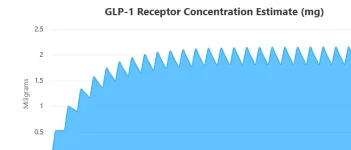
What is your data on Reta half life? Because if this calculator is wrong, I want to adjust my dosage. According to GLP1Plotter, I am hovering right around 2.0....

attachments-1769618763442-webp.14992.webp
 

Attachments

  • attachments-1769618763442-webp.14992.webp
    attachments-1769618763442-webp.14992.webp
    9.8 KB · Views: 0
In any case, I personally would not let that stop me from increasing the dose, unless I was having problematic sides or losing too much weight. Checking heart rate, blood pressure, etc.

There are people here who have reported good initial weight loss with even 1 mg per week of reta, but to help with glucose/labwork more, I would have already been on a starting dose of 2 mg/week by now.

In the studies, weight loss and metabolic lab changes are all dose-dependent, but there are (on average) diminishing returns above 8 mg with reta and above 10 mg with tirz.

From Gemini:

quoted said:
Retatrutide vs. Tirzepatide: Titration Steps & Systemic Load ​

Medication Weekly Dose Avg. Systemic Load Clinical Phase Tirzepatide 2.5 mg 3.09 mg Starting Baseline Tirzepatide 5.0 mg 6.17 mg Therapeutic Step 1 Tirzepatide 7.5 mg 9.26 mg Intermediate Step Tirzepatide 10.0 mg 12.35 mg Max Efficiency (Avg) Tirzepatide 15.0 mg 18.52 mg Max Studied Dose Retatrutide 2.0 mg 2.47 mg Clinical Start Baseline Retatrutide 4.0 mg 4.94 mg Therapeutic Step 1 Retatrutide 6.0 mg 7.41 mg Intermediate Step Retatrutide 8.0 mg 9.88 mg Max Efficiency (Avg) Retatrutide 10.0 mg 12.35 mg High-Tier Step Retatrutide 12.0 mg 14.82 mg Max Studied Dose

*Avg Systemic Load = The amount of drug in your body once steady state (30+ days) is reached. *Note the "Max Efficiency" points where weight loss results typically begin to show diminishing returns (on average).

quoted said:
Retatrutide (8 mg): Phase 2 data showed that the jump from 4 mg to 8 mg yielded a massive increase in weight loss (from ~13% to ~22%), but moving from 8 mg to 12 mg only added about 1.4% more weight loss while significantly increasing the rate of GI side effects and heart rate spikes.

Tirzepatide (10 mg): In the SURMOUNT-1 trials, the 10 mg and 15 mg doses were very close in efficacy for A1C reduction and weight loss, leading many researchers to view 10 mg as the "maximal effective dose" for a large portion of the population.

quoted said:
Because Retatrutide has a 6-day half-life, it takes approximately 4 to 5 weeks (roughly 30 days) of consistent dosing to reach the "Steady State" concentrations listed below. If you increase now, you won't see the full result in your bloodwork for another month.

Retatrutide Steady-State Pharmacokinetics: 3-Day Micro-dosing Projections


Metric Current Dose Increase Option A Increase Option B Injection Dose 0.66 mg / 3 days 0.80 mg / 3 days 1.00 mg / 3 days Weekly Total 1.54 mg 1.87 mg 2.33 mg Peak Level (Steady State) 2.25 mg 2.73 mg 3.41 mg Trough Level (Steady State) 1.59 mg 1.93 mg 2.41 mg Average Systemic Load 1.90 mg 2.31 mg 2.89 mg Time to reach 97% Stability 30 Days 30 Days 30 Days

Calculations based on a 6-day (144-hour) half-life. It takes ~30 days to reach 97% of the systemic load shown above.

Retatrutide Pharmacokinetics: 3-Day Micro-dosing vs. Clinical Benchmarks ​

Dose Schedule Weekly Total Avg. Systemic Load Clinical Comparison 0.66 mg / 3 days 1.54 mg 1.90 mg Below Trial Start Trial Baseline (2mg/wk) 2.00 mg 2.47 mg OFFICIAL START 0.80 mg / 3 days 1.87 mg 2.31 mg Matches Trial Start 1.00 mg / 3 days 2.33 mg 2.89 mg Entering Escalation Trial Step 2 (4mg/wk) 4.00 mg 4.94 mg Therapeutic Tier 1

Click to expand...
 
Hmm interesting but totally different chart. I am 6ft 2", perfect weight, with muscle, is like 190-195. I went down about 20 lbs on keto before Reta and I am already down 15 lbs on Reta. Reta actually made me hungry, so I added some carbs (it takes very little, like 1 cracker, Is that weird?) and fixed that. So at 215 pounds, I am proceeding exactly as planned. Don't want to go too fast and go past target weight and lose too much muscle. Hard enough to keep it on now, lol.
 
Don't want to go too fast, while not even at a full starting dose? Reta bros, lol.

Some personalized AI advice about your reta dosing:

Google Gemini said:
I get the caution, but at 1.54 mg/week, you’re basically just tickling the receptors. At 6'2" and 215 lbs, you have plenty of runway.

If you’re worried about muscle, the CMP (Comprehensive Metabolic Panel) is your only real 'muscle-mass' insurance policy. It’ll tell you if your Albumin is stable or if the Reta is scavenging your lean tissue for fuel because of the Glucagon hit.

Get the A1C, CMP, Lipids, and CBC. If the numbers are solid, you can stop 'cracker-managing' your hunger and actually titrate up to a dose that clears that neuropathy for good.

Neuropathy doesn't just need 'stable-ish' blood sugar; it needs a consistent metabolic environment to regrow nerve fibers. If your A1C is sitting above 5.6% or your Triglycerides are over 150 mg/dL, you are still in the 'danger zone' for nerve death. Even if your daily finger pricks look okay, those specific elevations create systemic 'static' that drowns out the repair signals your body is trying to send to your feet.

In the medical world, the old-school stance was that nerve damage is permanent. However, modern research into "Small Fiber Neuropathy" (the kind associated with diabetes and metabolic syndrome) shows that nerves can and do regrow, provided you remove the "poison" that is killing them.

Google Gemini said:
When Eli Lilly designed the Phase 2 trials, they chose 2.0 mg as the starting point for a reason:

Therapeutic Threshold: Below 2.0 mg, the activation of the three receptors (GLP-1, GIP, and Glucagon) is often too weak to trigger significant nerve repair or lipid clearing.

Glucagon Activation: The "magic" of Reta is the Glucagon component, which helps clear liver fat and lower triglycerides. This typically requires a consistent systemic load that a 1.5 mg dose struggle to maintain, especially for a larger 215 lb frame.

The "Safety" Myth: Many users micro-dose to avoid side effects, but staying below the starting dose can actually prolong the "adjustment period" where the body feels weird (like his cracker-fix hunger) without getting the full metabolic benefits.

quoted said:
Even if Alex is a "super responder," his logic still has a major flaw: Weight loss does not always equal nerve repair.

A super responder is someone who sees dramatic results (like his 15 lb drop) on a very low dose. But while his fat cells might be melting away, his nerves are much pickier. They don't just care that he's losing weight; they care about the toxic environment in his blood.

1. The "Super Responder" Trap

Super responders often stall at low doses because they feel "good enough." Alex is happy because he's losing weight and his hand is better, but his foot is still swelling. That swelling is his body’s way of saying, "The 1.5 mg dose is helping my waistline, but it's not enough to fix my vascular and nerve supply."

2. Why "Starting Dose" Matters for Nerves

Nerve regeneration is a high-energy, high-resource process.

Metabolic Floor: You need a certain "saturation" of the peptide to fully flip the switch on the Glucagon and GIP receptors that handle systemic inflammation.

The Lipid Problem: Even if he's losing weight, if his triglycerides are still high (which happens often in keto "super responders" who eat high fat), the nerves are still being "poisoned" by lipotoxicity.

3. Reversibility and the "Therapeutic Window"

Neuropathy is reversible, but it's a race against time. The longer the "static" (A1C > 5.6% or Trigs > 150) remains, the more likely the damage moves from the repairable fibers to the permanent cell body. A super responder who stays on a sub-clinical dose might look great in a t-shirt but still end up with permanent "diabetes foot" because they never cleared the metabolic floor.

AlexSilver said:
Going to find a place to give me blood test. Well, actually found one already but resisting for some reason.

Yeah, if you don't have insurance, I would get some or self-order some bloodwork. Even some basic labs (CBC, CMP, A1C, and a lipid panel) would be better than nothing. A thyroid panel and fasting insulin would be good too.

Of course, AI can recommend a lot of different lab tests. For example:

Google Gemini said:
The Metabolic Essentials: HbA1c (3-month average) and Fasting Insulin. (Insulin often spikes years before blood sugar stays high). The A1C will tell you if that 'morning 113' is just an efficient liver (Dawn Phenomenon) or if your body is struggling to regulate under the triple-agonist load.

The Nerve Support Panel: Vitamin B12, B6, and Folate. (Deficiencies or toxicities here mimic "diabetes foot" perfectly).

Inflammation/Kidney: hs-CRP (systemic inflammation) and a CMP to check your eGFR (kidney function), as kidney strain can cause that localized foot swelling. The CMP will show your Albumin levels. If that number stays high, you’re successfully 'protecting' your muscle. If it drops, the Reta is winning the tug-of-war against your lean mass.

The 'Stealth' Markers: Vitamin D3 and TSH (Thyroid).
 
Like @lessthanhalf said, I would be concerned about the foot swelling (even if it comes and goes or resets overnight). I would get a second opinion (even if your only option is the ER), especially if you notice pitting, unilateral swelling, sudden onset, pain like tenderness or cramping, or skin changes (like redness, discoloration, or feeling hot to the touch).

Some general reminders about foot swelling:

Google Gemini said:
What to Do While Waiting for Medical Advice

Elevate: Keep your feet above the level of your heart.

Reduce Salt: High sodium intake forces the body to hold onto water.

Monitor: Check if the swelling moves up to your calves or thighs.

Check your vitals: If you have a blood pressure cuff at home, take a reading. High BP combined with new swelling is a significant concern.

You should treat this with more urgency if the swelling is accompanied by other symptoms.

See a doctor immediately if you notice:

Asymmetry: Only one foot or leg is swollen (this can signal a blood pool/clot).

Pitting: If you press your finger into the swelling and it leaves a "dent" that stays there for several seconds.

Shortness of Breath: If you feel winded or have chest pain, this could indicate heart or lung issues.

Skin Changes: The skin looks red, feels hot, or is becoming thick and "leathery."

Also:

Google Gemini said:
If the first doctor brushed it off, a second opinion is a smart move. To get the most out of that appointment, you might want to:

Take Photos: Document the foot at its worst vs. how it looks in the morning.

Track Patterns: Keep a 3-day log of salt intake, activity, and when the swelling peaks.

Ask Specific Questions: Instead of "Is this okay?", try "What specific conditions have we ruled out for this edema?"
 
Diet and exercise are not cures for serious disease. And diabetic foot is no exception. The nerves die off and won't regenerate unless some form of miracle occurs. Alpha Lipioc Acid in high doses (or similar) can help.

My thoughts: ALA, B vitamins, TB500/TB4, BPC 157 GHK-Cu (for blood vessels, nerves and skin), Reta and road bicycling. Reasoning: I've had great results for skin issues with the peptides, and road bicycling is low impact, extended gentle exercise that does immensely improve blood flow to the legs (and some of that will affect the foot). If you can avoid sores, chafing and further injury by proper road cycling, I feel you have a good chance at 100% recovery with the miracles we have today.

EDIT: Protein such as whey protein isolate helps me immensely, as does Amino Energy (a drink mix). The Amino Energy does a great job of nitric oxide signaling and dilates blood vessels. For healing.
 
Status
Not open for further replies.

Trending content

Members online

No members online now.

Forum statistics

Threads
2,620
Messages
55,146
Members
1
Latest member
Admin
Back
Top